
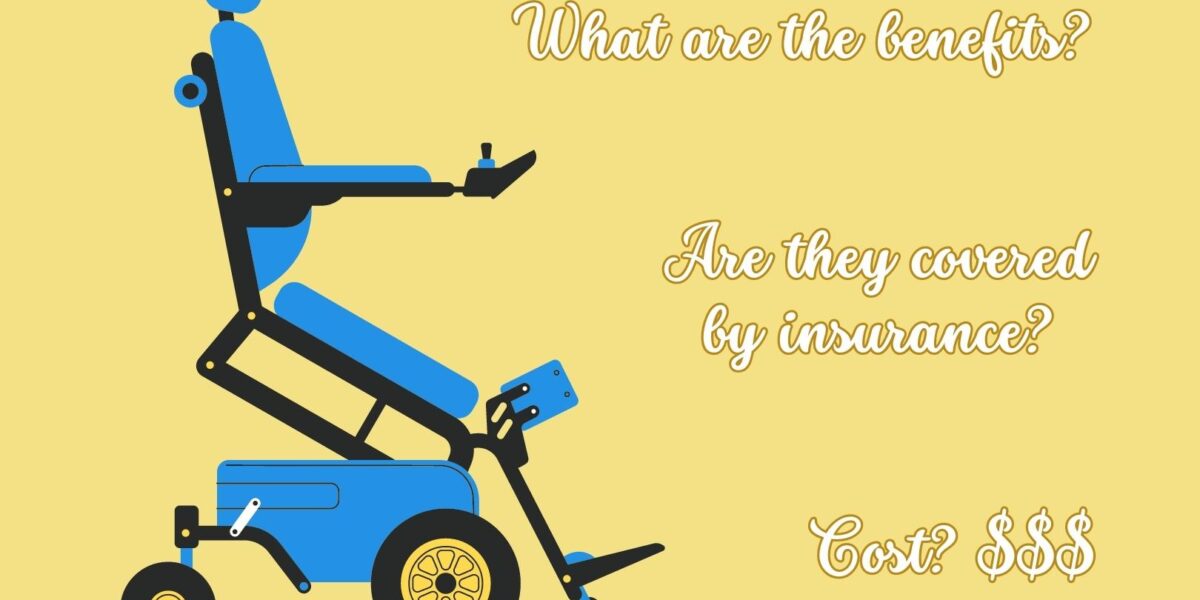
Too much time spent sitting can put people at risk for a wide array of health conditions (1, 2). For many, the solution is simple: sit less, and stand and move around more. Of course, it is more complicated for people who use wheelchairs: even those who use manual wheelchairs and do substantial aerobic exercise […]
Haircut Tips for Children with Sensory Processing Issues
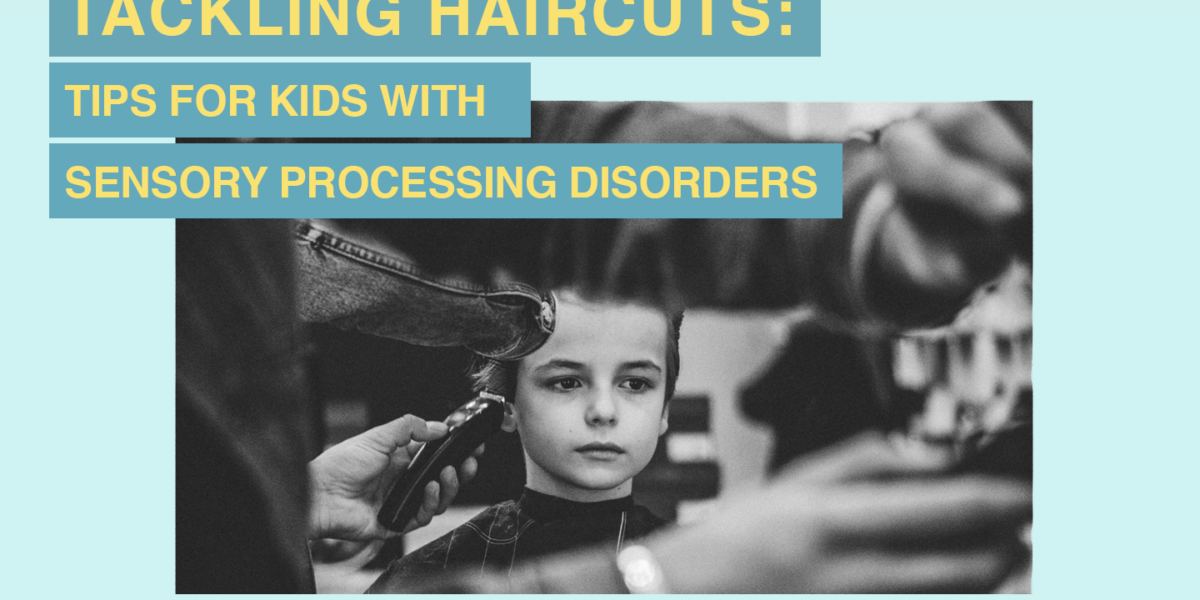
Children with autism spectrum disorder (ASD) and sensory processing issues may react negatively to personal hygiene and grooming routines because they become overwhelmed by certain types of touch, smell, etc. Although kids with sensory challenges are often upset by day-to-day tasks such as brushing teeth, many parents report that one of the most distressing activities […]
Long-Term Effects of HIE in Children Who Do Not Develop Cerebral Palsy
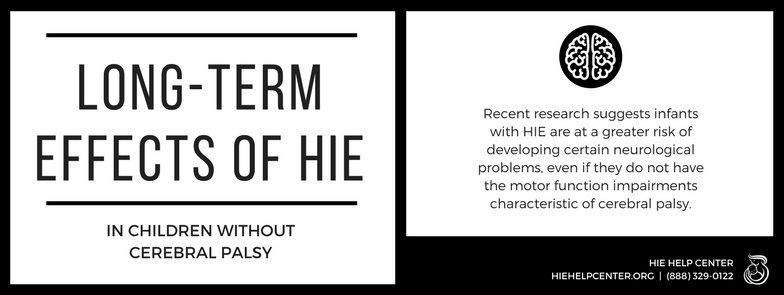
Research in the European Journal of Pediatrics suggests that infants who survive hypoxic-ischemic encephalopathy (HIE) are at a greater risk of developing certain long-term neurological problems, even if they do not have the motor function impairments characteristic of cerebral palsy (CP). Long-term Effects of CP & HIE For many years, it has been widely believed […]
Is HIE a Birth Injury?
Yes, hypoxic-ischemic encephalopathy (HIE) is a type of birth injury in which the baby’s brain is damaged due to insufficient flow of oxygenated blood. In order to reach the baby in utero, oxygen molecules must travel through both the maternal and fetal bloodstreams, in the following pathway: Mother’s lungs Mother’s heart Mother’s vasculature Mother’s uterus […]
Group B Strep (GBS) During Pregnancy: Risks to the Baby
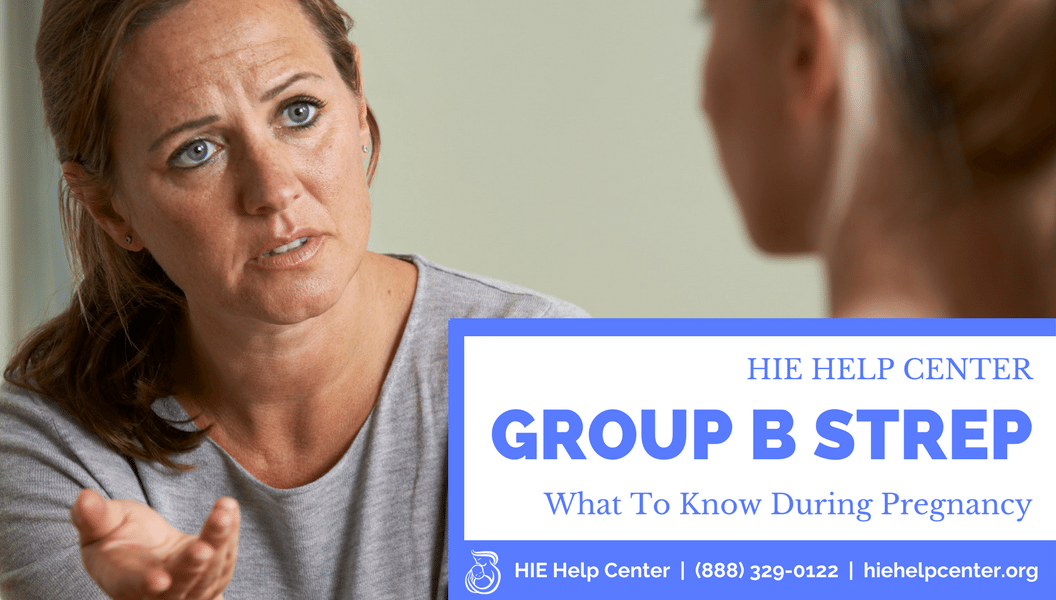
Expectant mothers should be aware of Group B Streptococcus (GBS) – what it is, why it’s dangerous for babies, and, most importantly, how their OBs should be screening them for infections during pregnancy. Pregnant women naturally carry bacteria in their vaginas and urinary tracts. Some of this bacteria is benign, while other forms, if passed […]